
Why your cat has stopped using the litter tray
Start at the vet, not the pet shop. A cat that suddenly stops using its tray is often telling you something is wrong.
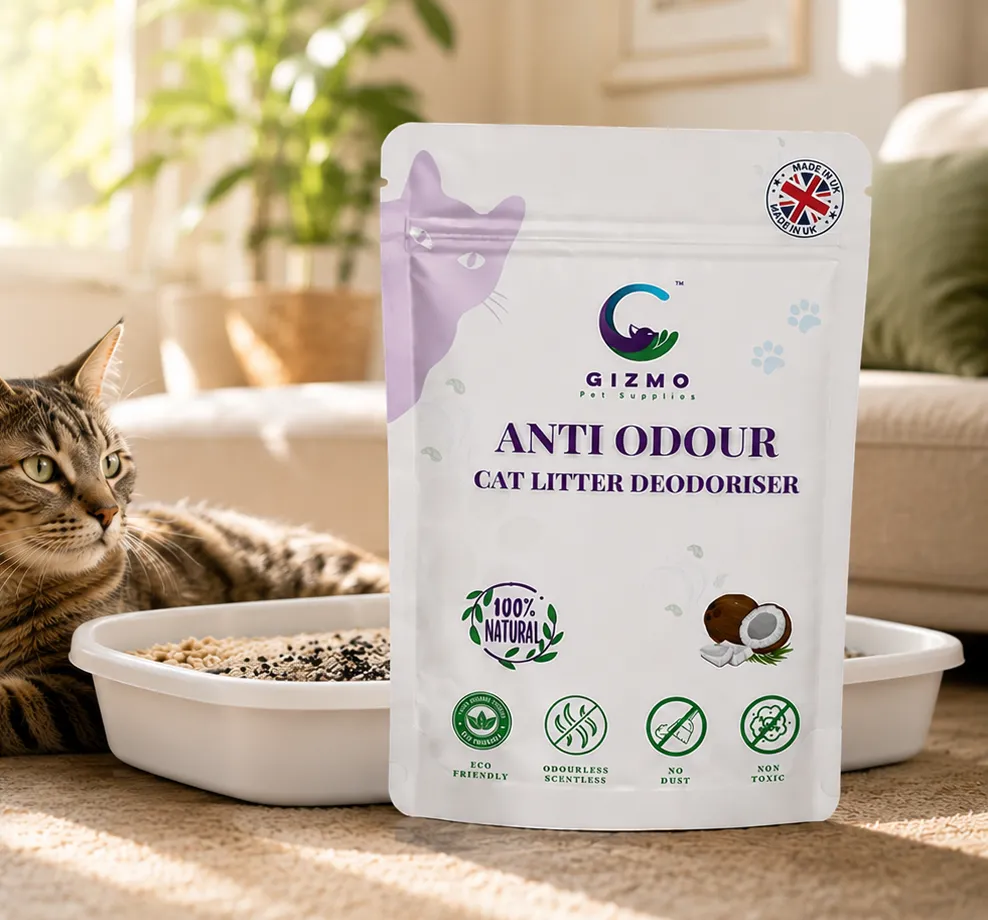
A cat that goes on the carpet is not being spiteful. Cats do not do revenge, and they are not making a point about the new sofa. Something about the tray, or about the cat, has changed — and the order you investigate it in matters, because one of the possibilities is urgent.
Rule out the medical causes first
This is not the cautious-sounding advice a website adds to cover itself. Tray avoidance is one of the most common first signs of urinary problems in cats, and some of them are emergencies.
Call a vet the same day if your cat is:
- straining in the tray and producing little or nothing — in a male cat this can be a urinary blockage, which is fatal within a day or two and needs treating immediately;
- crying out while urinating;
- licking at the genital area more than usual;
- passing blood.
Book an ordinary appointment if the change came with drinking much more, urinating much more, weight loss, or a cat that has become unusually quiet.
The logic from the cat’s point of view is simple: if using the tray hurt the last few times, the tray is now the thing that hurts. Cats associate the place with the pain and look for somewhere else. Treating the infection often fixes the behaviour on its own.
Older cats have a second version of this. Arthritis makes climbing into a high-sided tray genuinely painful, and the cat quietly chooses the floor instead. A tray with one low side, or a cut-down entrance, can solve what looks like a behavioural problem in an afternoon.
Then the tray itself
With health ruled out, most of the remaining causes are things we did.
It is not clean enough. This is the single most common cause. A cat’s standards are higher than ours, and a tray that seems acceptable to you can be unusable to an animal whose nose is far more sensitive. Scoop twice a day.
There are not enough trays. One per cat plus one spare. Two cats sharing one tray is a frequent cause of one of them going elsewhere, and the one who gives up is usually the less confident of the two.
You changed the litter. Cats form a preference for a texture early in life and most dislike change. If the avoidance started within a few days of a new bag, that is almost certainly your answer. Change back, then transition slowly by mixing if you still want to switch.
You added a fragrance. Scented litters, perfumed deodorising granules and air fresheners near the tray are all common triggers. What reads as “fresh” to you can be overwhelming at tray height. This is one of the reasons we make an unscented product: an additive the cat objects to is worse than the smell it was meant to fix.
The tray is covered. Hoods trap odour inside, which is unpleasant for the cat, and they also remove escape routes — a cat cannot see what is coming while it is in there. Nervous cats and multi-cat households often do better with open trays.
The liner. Many cats dislike the feel and the noise of a plastic liner under their claws.
Then the location
It is somewhere frightening. Next to a washing machine that starts mid-use, beside a cat flap another cat can come through, in a busy hallway, or anywhere the cat can be cornered. Cats want a view of the room and a way out.
It is too close to food and water. Cats will not toilet where they eat. Put them in different rooms if you can.
You moved it. A tray that moved last week and a cat that started going in the old spot is not a coincidence. Move it back, then shift it a few inches a day if it really has to live somewhere else.
Another cat is guarding it. In multi-cat homes one cat can control access without any obvious fighting — just sitting in the doorway is enough. Trays in separate rooms, not side by side, solve more of these than people expect.
Cleaning up matters more than you think
Whatever caused it, a soiled spot that still smells of urine to the cat is an invitation to use it again. Household cleaners will not do: anything with ammonia smells like urine and makes it worse, and that includes several common glass and floor cleaners.
Use an enzymatic cleaner made for pet urine, which breaks the compounds down rather than covering them. Let it work for as long as the label says, and resist the urge to follow it with something fragranced.
What not to do
Do not punish the cat, shout, or put it in the tray by force. None of it communicates what you intend, and all of it increases anxiety — which is itself one of the causes of house soiling. A cat that has been told off near the tray now has one more reason to avoid it.
If you have worked through everything here and nothing has changed, ask your vet about a referral to a qualified behaviourist. Persistent house soiling usually has a cause, and it is usually findable.